Mastering the Yen: Smart Strategies for Saving Money in Japan
Japan is often perceived as one of the most expensive destinations in the world. While luxury experiences in Tokyo or Osaka can certainly command a high price, the reality is that Japan offers an incredibly high standard of living that can be surprisingly affordable if you understand the local “rules” of the economy. Whether you are a visitor navigating the neon streets for two weeks or a resident building a life in the Land of the Rising Sun, knowing how to save Japanese money is an art form.

In 2026, the economic landscape remains a blend of traditional cash-heavy transactions and a rapidly expanding digital point-based system. To save effectively, one must look beyond the surface and adopt the habits of the locals. This article explores the most effective, unique, and practical ways to keep your Yen where it belongs: in your pocket.
 The dollar fell towards its main rivals Wednesday, extending its recent weak spot amid escalating U.S. political considerations following a report that President Donald Trump tried to affect an FBI probe into hyperlinks between the internal circle of his presidential marketing campaign and Russia.
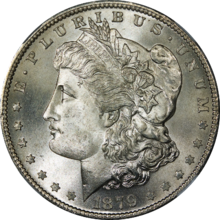
 In an act handed in January 1837, the dollar’s alloy (amount of non-silver steel current) was set at 15{a8a7c0c75a892bb8bf887b7160bac7ed787d679c6f45307e8684b3084029c003}. Subsequent cash would comprise the same quantity of pure silver as beforehand, but have been reduced in total weight (to 412.25 grains). On February 21, 1853, the quantity of silver within the lesser cash was decreased, with the impact that their denominations no longer represented their silver content material relative to dollar coins.