Japan is often perceived as one of the most expensive destinations in the world. While luxury experiences in Tokyo or Osaka can certainly command a high price, the reality is that Japan offers an incredibly high standard of living that can be surprisingly affordable if you understand the local “rules” of the economy. Whether you are a visitor navigating the neon streets for two weeks or a resident building a life in the Land of the Rising Sun, knowing how to save Japanese money is an art form.
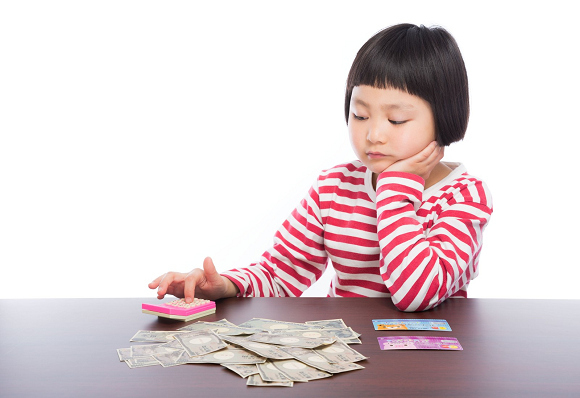
In 2026, the economic landscape remains a blend of traditional cash-heavy transactions and a rapidly expanding digital point-based system. To save effectively, one must look beyond the surface and adopt the habits of the locals. This article explores the most effective, unique, and practical ways to keep your Yen where it belongs: in your pocket.
The Supermarket Strategy: Timing is Everything
For both residents and tourists, food is often the largest variable expense. While Japan is famous for its high-end dining, the most consistent way to save is by mastering the “Supermarket Discount Cycle.”
Unlike many Western countries where sales are weekly, Japanese supermarkets operate on a daily schedule. Starting around 7:00 PM or 8:00 PM, staff begin applying discount stickers to perishable items, pre-made bento boxes, and sushi platters. These discounts typically start at 10% or 20% and can escalate to a staggering 50% or 70% just an hour before closing.
Furthermore, shopping at discount chains like Gyomu Super (known for bulk items) or OK Store can save you significantly more than shopping at high-end department store basements. For those on the move, opting for a Teishoku (set lunch) at a local neighborhood restaurant is much cheaper than dining out for dinner, as lunch menus often provide the same high-quality ingredients at half the evening price.
Transport Hacks: Beyond the Nationwide Pass
A common mistake for travelers is purchasing the nationwide Japan Rail (JR) Pass without calculating their specific route. Since the significant price hike in late 2023, the nationwide pass is rarely cost-effective unless you are traversing the entire country in a short window.
To save on transport in 2026, consider these alternatives:
- Regional Passes: If you are only visiting the Kansai region (Osaka, Kyoto, Nara) or the Tohoku region, regional passes offer much better value and include private rail lines that the nationwide JR pass does not.
- Highway Buses: Companies like Willer Express offer overnight buses that serve as both transport and accommodation for the night, often at a third of the cost of a Shinkansen (bullet train) ticket.
- IC Card Perks: Utilizing a Suica or Pasmo card is more than just convenience. In certain areas, using an IC card offers a slight discount over paper tickets and allows you to accrue points through loyalty programs integrated with mobile apps.
The Power of the Point System (Point-o Kado)
Japan is a nation of “Point Cards.” For residents, this is the single most effective way to save money on daily essentials. Almost every major retailer—from 7-Eleven and Lawson to drugstores like Matsumoto Kiyoshi—has a loyalty program.
In 2026, these are mostly digital. Apps like PayPay, Rakuten Points, and d-Point are ubiquitous. By consistently using one or two specific ecosystems, you can effectively earn 1% to 5% “cashback” on every purchase. Many residents use their accumulated points to pay for their monthly utility bills or phone plans, effectively turning their grocery shopping into a subsidy for their living expenses.
Accommodation: The Business Hotel Advantage
If you are looking for a place to stay, ignore the expensive international hotel chains. Japan has perfected the “Business Hotel” concept. Brands like Toyoko Inn, APA Hotels, and Super Hotel offer compact, incredibly clean, and functional rooms that include amenities like high-speed Wi-Fi, pajamas, and often a free breakfast.
For the ultra-budget conscious, the “Design Hostel” movement and even high-end capsule hotels provide a comfortable experience for a fraction of the cost of a standard hotel. If you find yourself needing a place to stay for just a few hours after a missed train, internet cafes like Kaikatsu CLUB offer private booths with showers and unlimited drinks for a very low flat rate.
Smart Shopping: 100-Yen Stores and Secondhand Goldmines
When you need household items, souvenirs, or travel essentials, the 100-Yen store is your best friend. Chains like Daiso, Seria, and Can-Do offer high-quality products that would cost five times more elsewhere.
Additionally, Japan has a thriving secondhand culture. Stores like Book-Off (for media and electronics), Hard-Off (for hardware and instruments), and 2nd Street (for fashion) are “goldmines.” Japanese consumers tend to take excellent care of their possessions, meaning secondhand items are often in near-mint condition. You can find designer clothing or high-end electronics at these shops for 30% to 50% of the original retail price.
Conclusion
Saving money in Japan is not about deprivation; it is about strategy. It is about knowing that tap water is perfectly safe and delicious, avoiding the convenience fee of the Konbini (convenience store) in favor of the supermarket, and timing your purchases to align with the local rhythm. By utilizing regional transport passes, engaging with the digital point economy, and shopping at secondhand or discount retailers, you can enjoy everything the country has to offer without the financial stress. In Japan, the small savings—the 100 Yen here and the 500 Yen there—accumulate quickly into a significant financial cushion.